




Like others, I’ve always been drawn to wildlife. Mam and Dad were farmers, and their 1950s Highland farm was alive with wildlife. Farming didn’t appeal to me, but the wildlife there has held the same fascination for my children, nephews and great nephews. Mam and Dad nurtured that simply by passing on their extensive knowledge that grew from always being aware of what was around them. Such awareness is the very essence of being a recorder. I clearly remember Dad getting on and off the tractor to move Oystercatcher eggs when cultivating a field or coming into the house to tell us the first Cuckoo of the year was calling. After he died, I discovered he won a prize in Primary School for his wildflower collection. And my Mam telling me when she got married and came to the farm it was – “raucous with Corncrakes”.
At University I discovered the beasties of Ythan Estuary mud with Harry Milne and Loch Muick shores with Mark Young. By great luck, I was working for the Nature Conservancy Council after graduating and was soon managing the Nature Reserve in Glen Strathfarrar, and as a reserve warden in the mid-70s did lots of wildlife recording. It was a “new” NNR and I expected a native pinewood wouldn’t have many butterflies, so I started with them. I’ll never forget the day I found a Dingy Skipper – species number 19 was added to the list and honestly, I skipped back down the road. A visitor once asked ”are you the Nature Man?” I don’t remember his question, but that’s exactly what I was. One day I noticed a lump of “fluff” on the road – I don’t know why I stopped, perhaps that sense of awareness. The “fluff” was a newly fledged redwing, rare then, so I popped it on a safer perch. The one-flowered wintergreen, Moneses uniflora, flowering a month earlier than the books said; the dead pine marten that had foolishly gone scavenging in a golden eagle eyrie; just some of many fascinating finds. For 15 years I worked on Nature Reserves, from Udale Bay to St Cyrus and national projects like the reintroduction of White-Tailed eagles, bird of prey monitoring, wildfowl counts etc., all involving gathering wildlife information and compiling records.
The creation of Scottish Natural Heritage in 1991 with its wider role saw big changes in my work, to involve things like commenting on development planning, forestry proposals, managing grants paid to conservation projects, working on collaborative projects like the establishment of the North East Scotland Biodiversity Partnership in 1996 and the creation of NESBReC in 2000.
The importance of comprehensive, reliable wildlife information has become ever more obvious. You cannot advise on good land management without it. You cannot advise where and when appropriate development could be without it. You cannot tell if native wildlife is declining or non-native species are spreading without it. Since retiring in 2016, I have focused on volunteering with practical biodiversity projects, collecting native plant seeds, and growing native plants to donate to projects. I encourage people to send wildlife records, common and rare, to NESBReC but realised I wasn’t always doing that myself; so, my New Year resolution for 2025 was to be a better recorder.
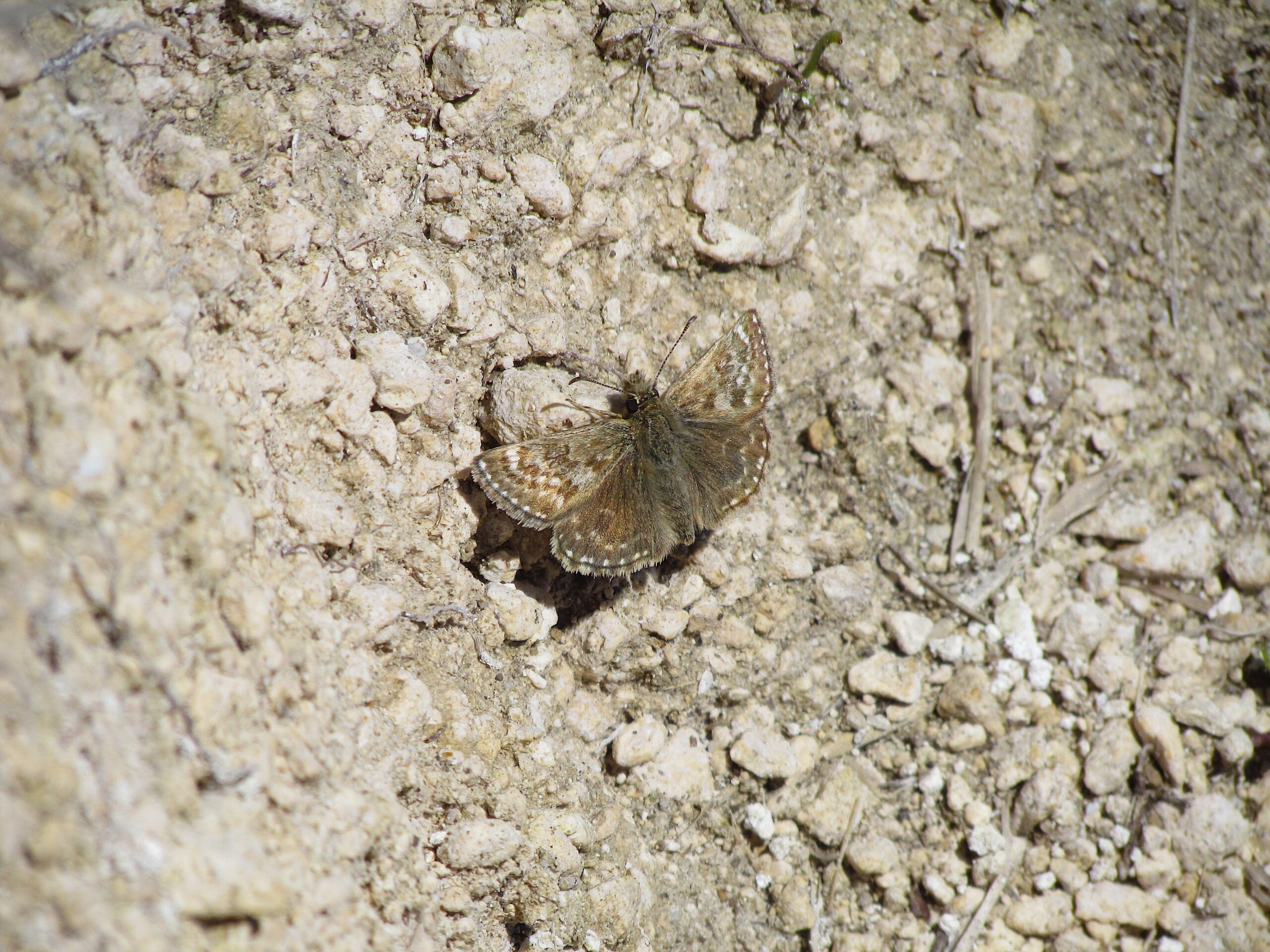
A dingy skipper, Erynnis tages, photographed by Ewen Cameron in Strathfarrar

A newly fledged Redwing, photographed by Ewen Cameron in Strathfarrar
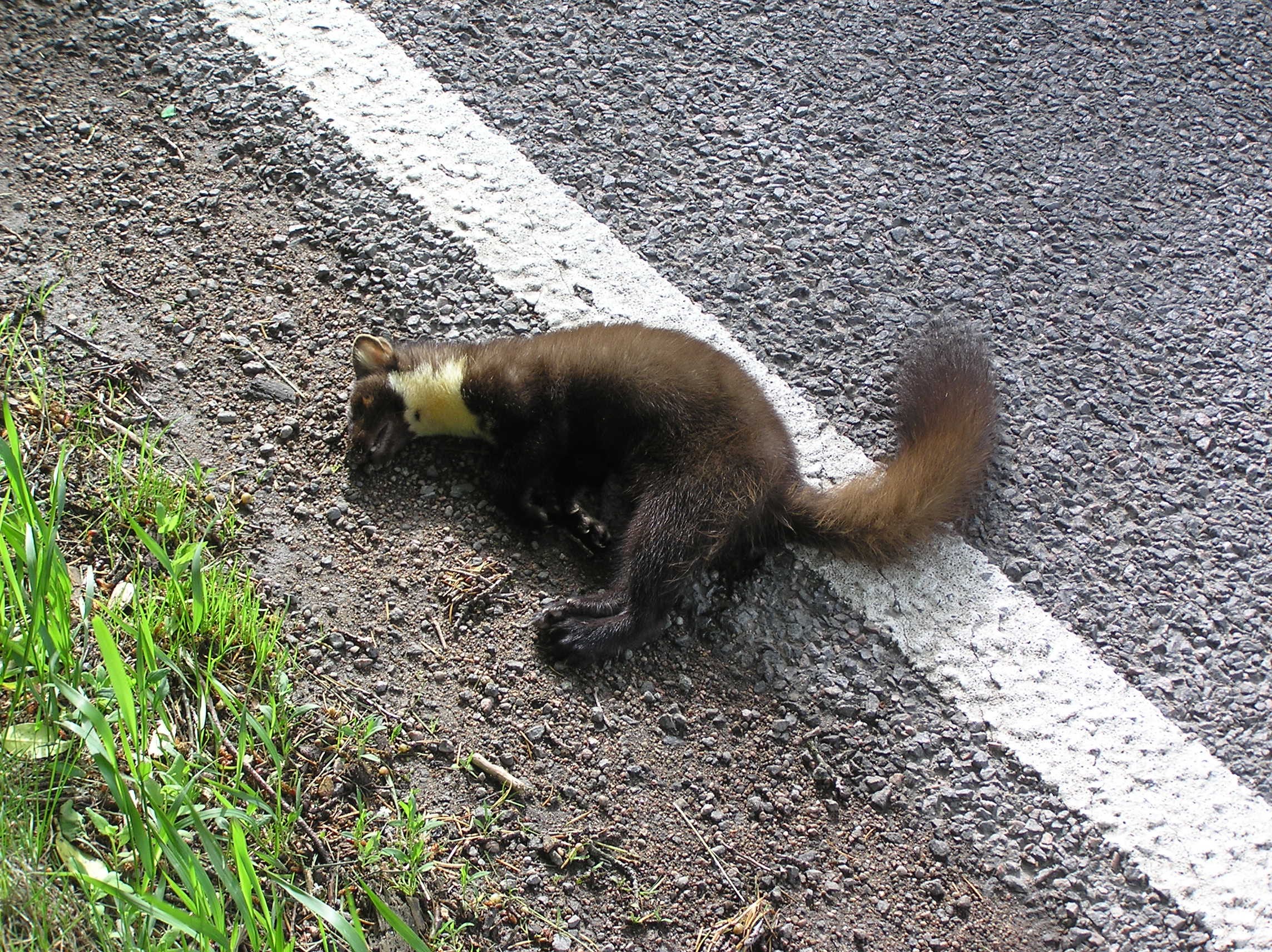
A dead pine marten photographed by Ewen Cameron
By November my monthly submissions totalled 423 records of plants, mammals, birds, fungi etc. The dashcam in my car is for noting biodiverse road verges, but it also helps identify the wee bird that flew across the road in front of me and “remembering” exactly where it was. Earlier this year it recorded two sightings of pine marten crossing a road where I found a dead one 20 years earlier.
So why not resolve to become a recorder and regularly send records to NESBReC. Common or rare; in your garden or local woods, town or seashore, all wildlife records are valuable and together ensure more decisions made about our childrens’ and grand-childrens’ countryside are based on good evidence.